
Challenge Lab 2026 kick-off brings 30 young innovators to Škoda Palace
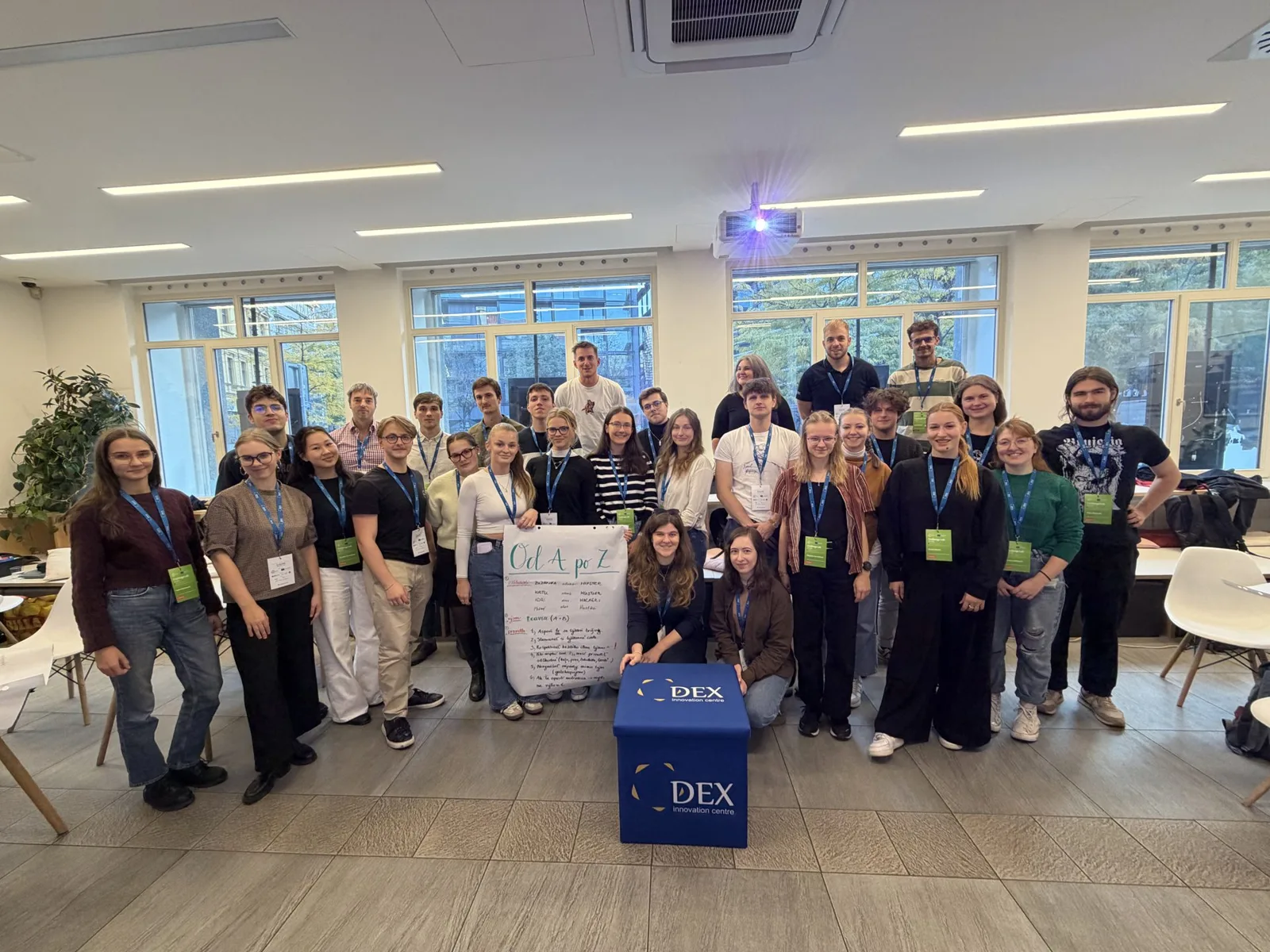
On Thursday 22 October, Škoda Palace in Prague hosted the official kick-off of Challenge Lab 2026, organised by DEX Innovation Centre together with UCT Prague and EIT Food. It marked the start of the first edition of a programme in which young innovators tackle real challenges from the food industry. The kick-off brought together 30 students, graduates and young professionals from a range of fields.
Participants were introduced to the challenges set by this year’s partners: Beavia, a company focused on fermented vegetables, and Jídelní plán, a digital platform by VX Systems that connects nutrition, data and technology and focuses mainly on supporting people with obesity, prediabetes and type 2 diabetes. They then chose the challenge they will work on over the next seven weeks in six multidisciplinary teams. They will present their solutions at the final Demo Day on 4 December.
An intensive start full of energy and ideas
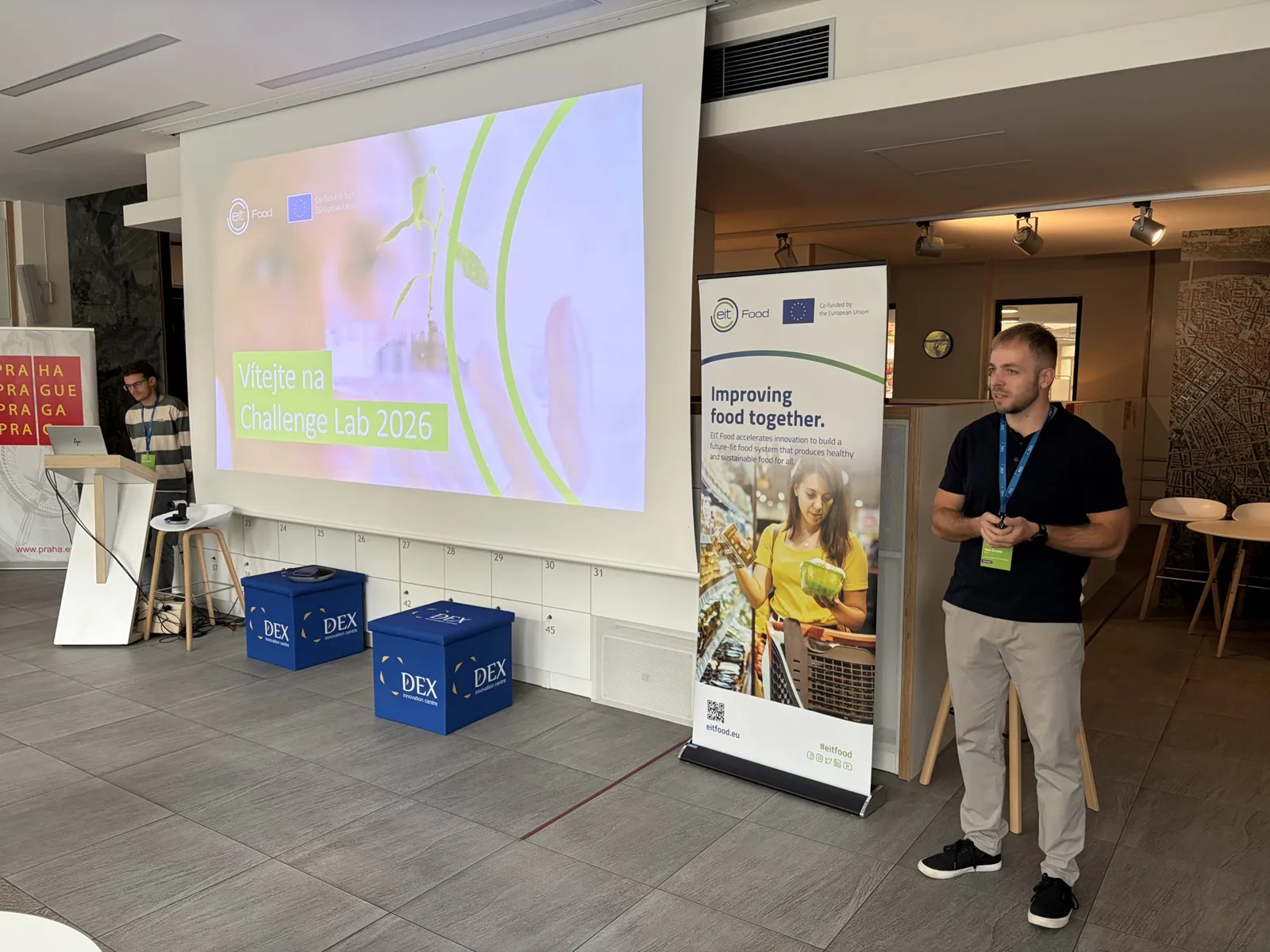
After the programme partners were introduced, participants went through a series of interactive sessions that took them from first introductions all the way to forming teams. The day was hosted by Adam Červenka and the workshop part was led by Vojtěch Jíra, both from DEX Innovation Centre.
A good idea has to make sense to users, be technically feasible and have market potential. The Hipster–Hacker–Hustler model brings these three perspectives together and served participants as a guide when forming teams. When choosing a challenge, they considered which skills they bring themselves and whom they need on the team.
Beavia: fermented vegetables on every plate
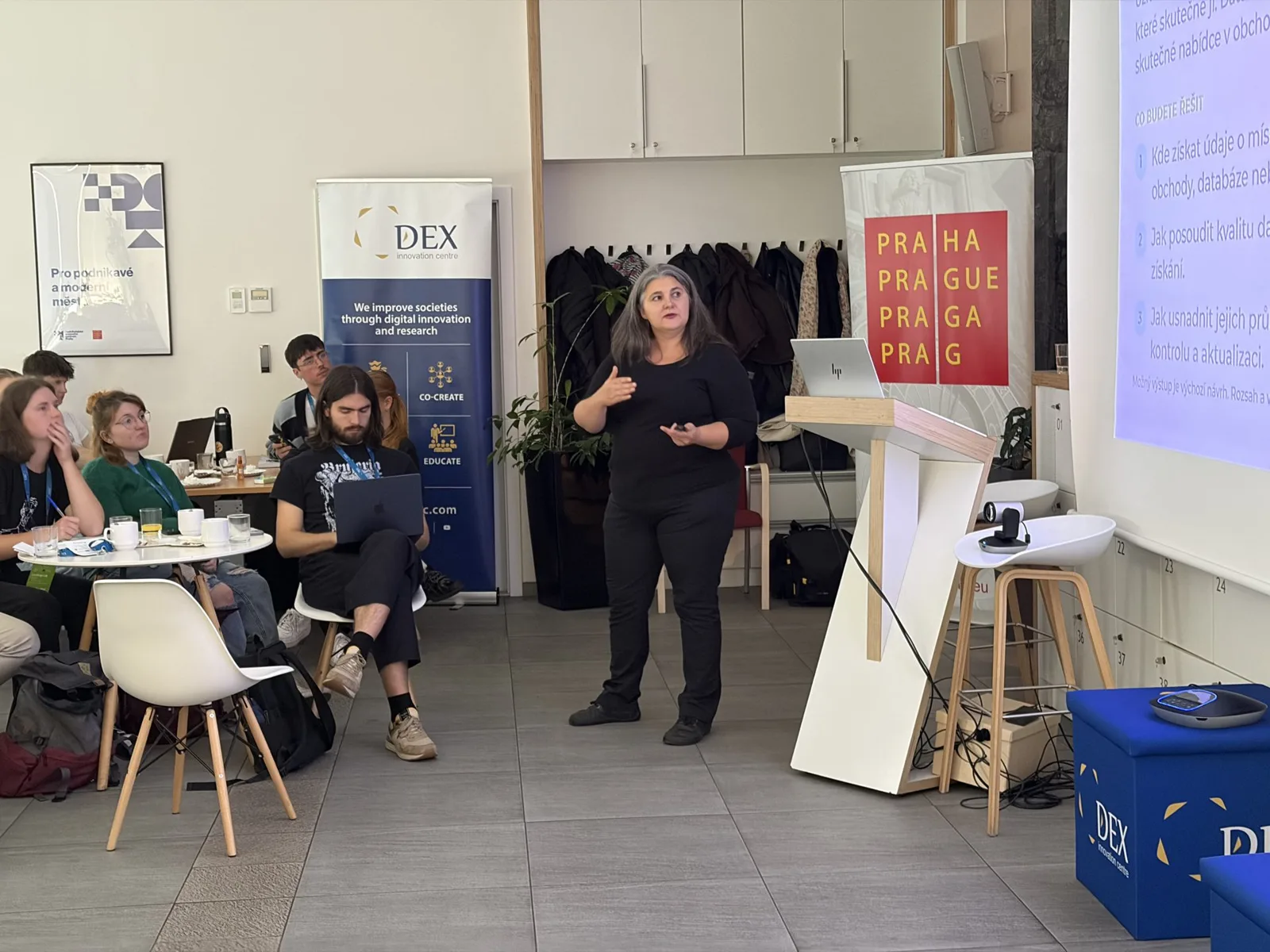
In her online presentation, Bronislava Škodová from Beavia introduced the challenge of bringing fermented vegetables into the everyday Czech diet. The brief is deliberately broad: teams can focus on circular production, digitalisation or the consumer experience. Štěpán Hodač, founder and CEO of Beavia, consulted the brief with the individual teams on site and helped them sharpen it. Beavia’s challenge attracted the most interest – five teams are working on it.
“Although fermented vegetables have many health benefits, the general public still associates them mainly with traditional sauerkraut. Yet their potential is far broader. We are not expecting another recipe from the teams, but a new perspective on how to bring them closer to people. The very first conversations showed that the students go in depth and look for connections,” adds Štěpán Hodač.
Jídelní plán: a job offer nobody wants
Helena Těšitelová from Jídelní plán framed her challenge as a job advert. She offered a “job” nobody applies for: diabetes. Whoever “gets” it has to consider how every meal will affect their blood sugar – every day, with no holidays.
Jídelní plán builds on several years of experience in educating and supporting people in changing their diet, and is now gradually turning that experience into digital tools and work with data. One of the topics the team is working on is the DiaSkóre research project, focused on the expected glycaemic impact of foods and whole meals. The challenge is being tackled by team Cukrouši, whose five members will focus on three areas:
- how to adapt Jídelní plán to other countries where people buy different foods, cook differently and have different eating habits,
- how to explain to people right in the app why one meal can be a better choice than another, and teach them to apply the principle next time,
- how companies could use information on the expected glycaemic impact of meals, for example when developing or adjusting recipes and dishes.
“What makes these challenges hard is that it isn’t enough to come up with one clever feature. A solution has to make sense to people, work with real data and be transferable to other markets. At the same time, we have to think several steps ahead in development – for some future features, the regulatory status of the product may change too. Today’s Jídelní plán is not a medical device, but we want to be ready for where its further development may go. That is why we are all the more interested in an outside perspective and the teams’ bold ideas,” says Helena Těšitelová from Jídelní plán.
A shared goal: supporting innovation in food
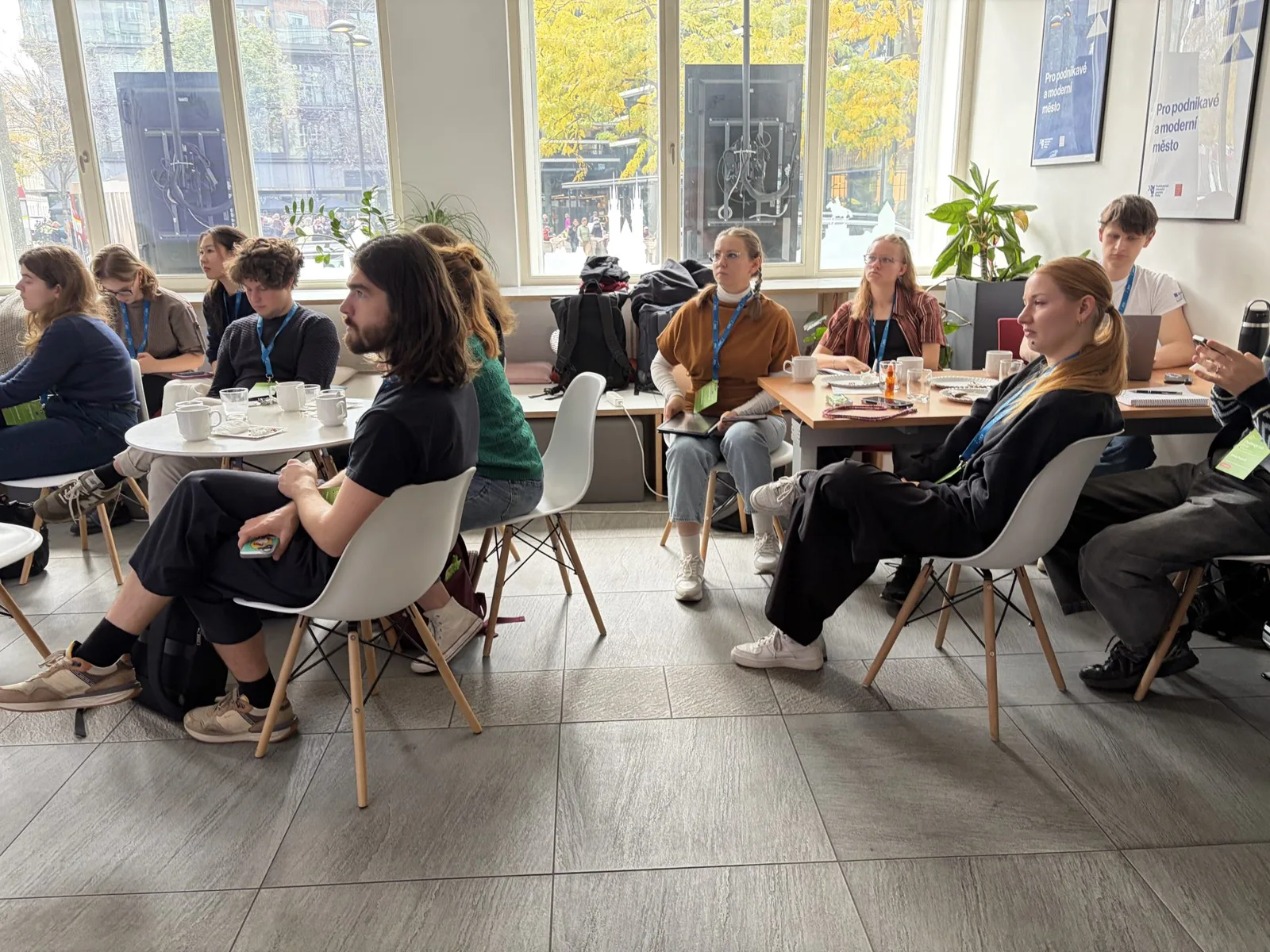
Challenge Lab connects universities, companies and young innovators to speed up new solutions for the food industry. Over the coming weeks, participants will develop their concepts, validate them with the challenge owners and experts, and prepare prototypes for the final presentation.
The programme also builds entrepreneurial skills and prepares participants for further EIT Food programmes such as Seedbed, TeamUp, Jumpstarter or Test Farms. For many of them, Challenge Lab can be the first step towards their own project or startup.
Partnership as a key pillar
Challenge Lab is the result of cooperation between DEX Innovation Centre and UCT Prague, which jointly represent EIT Food in the Czech Republic in 2026–2028. UCT Prague brings expertise in food science and an academic background, DEX Innovation Centre its experience with innovation programmes and support for early-stage teams. Thanks go to Beavia and Jídelní plán for opening up their real problems to the participants.
The programme also relies on the support of further partners who help connect young innovators with expertise and opportunities for further development. They include the Prague Innovation Institute, Hub Mladá Boleslav, StartupJobs, Eldison, JIC, xPORT VSE Business Accelerator and the Faculty of Informatics and Management of the University of Hradec Králové.
The innovation journey culminates on 4 December
In the coming weeks, the teams will go through a series of themed workshops – from ideation and prototyping through business models, legal and intellectual property to pitch preparation. They will consult regularly with mentors from DEX Innovation Centre and external experts.
The programme culminates on 4 December with Demo Day, where the teams will present their results to experts and the challenge owners and compete for CZK 20,000.
“You could already see at the kick-off how much energy the participants are putting into the challenges. I believe that over the seven weeks they will come up with solutions that will genuinely help Beavia and Jídelní plán,” concludes Adam Červenka, Challenge Lab programme manager.
Follow the programme, the challenges and the timeline on the Challenge Lab website: