- Search term must have more than 2 characters.

Students tackled real sustainability challenges
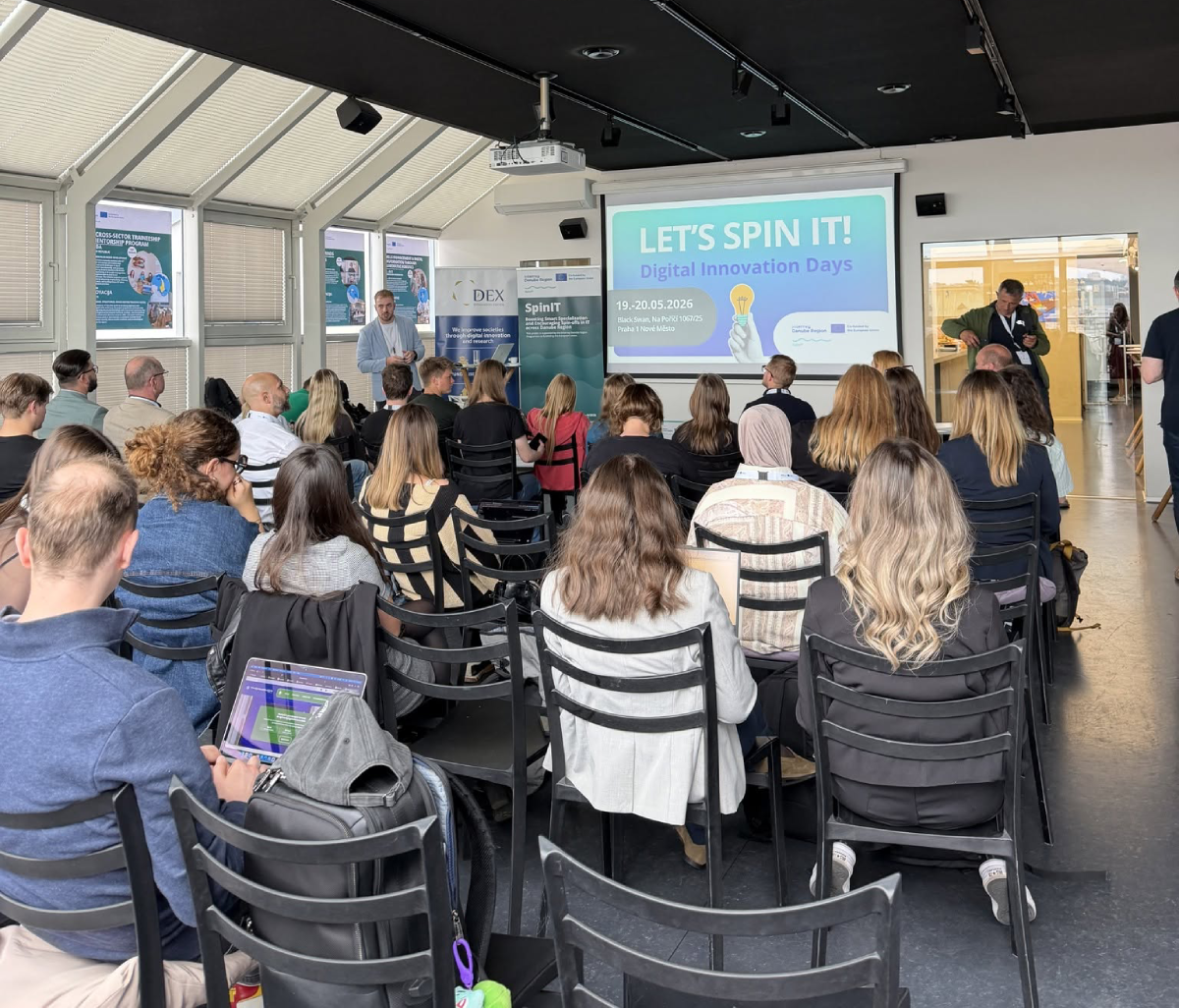
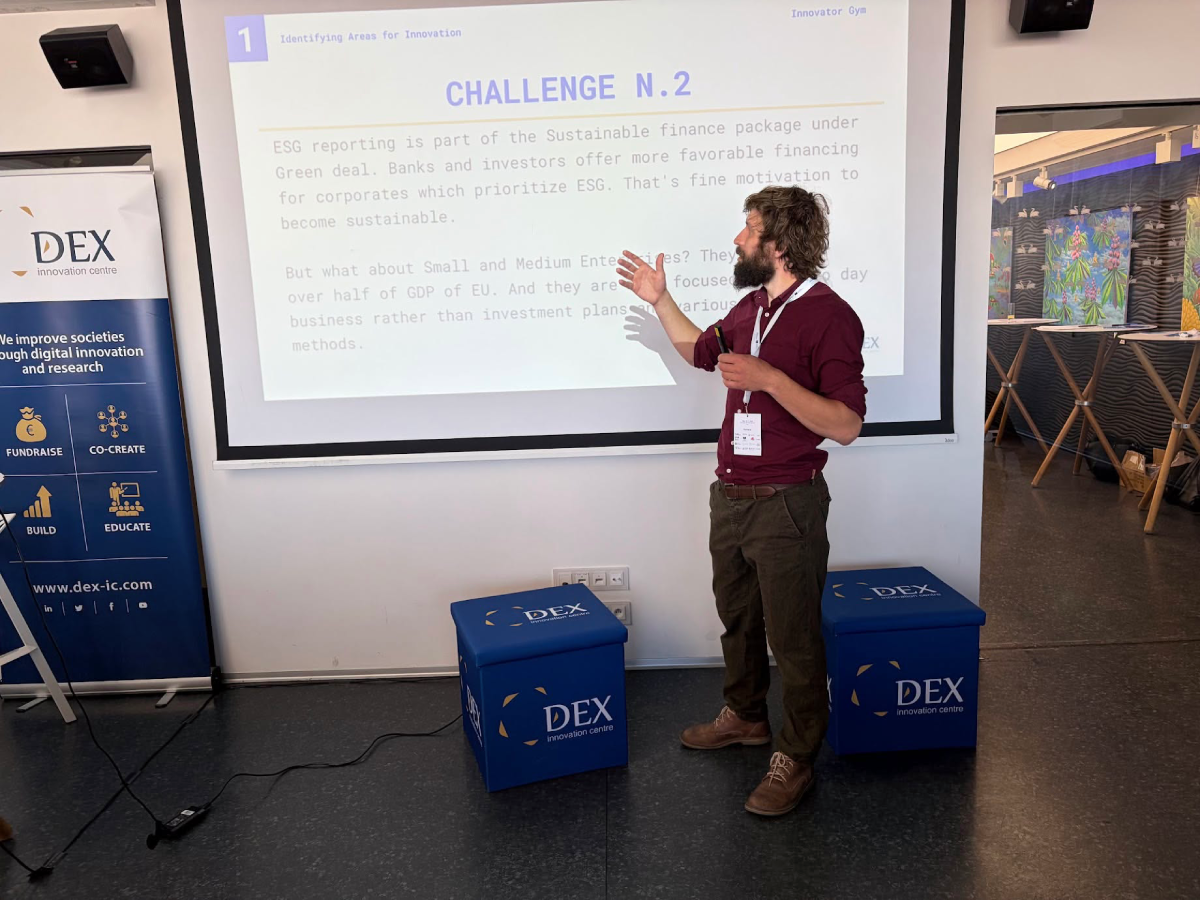
The first day kicked off with a two-day Design Thinking Ideathon, where student teams worked on two real-life challenges provided by Fair Venture – Cutting Through the "Green Fog" and From Reporting to Real Impact.
Supported by experienced mentors, the teams developed innovative concepts addressing sustainability, ESG, and digital transformation in just two days. Working in multidisciplinary teams, participants combined different perspectives and expertise to develop practical solutions with real-world application. Throughout the ideathon, mentors and project partners challenged the teams to validate their ideas, refine their concepts, and focus on solutions that could create measurable impact for businesses and society.
The programme also included a study visit to CIIRC CTU, where partners explored cutting-edge Czech research in artificial intelligence, robotics, and Industry 4.0.
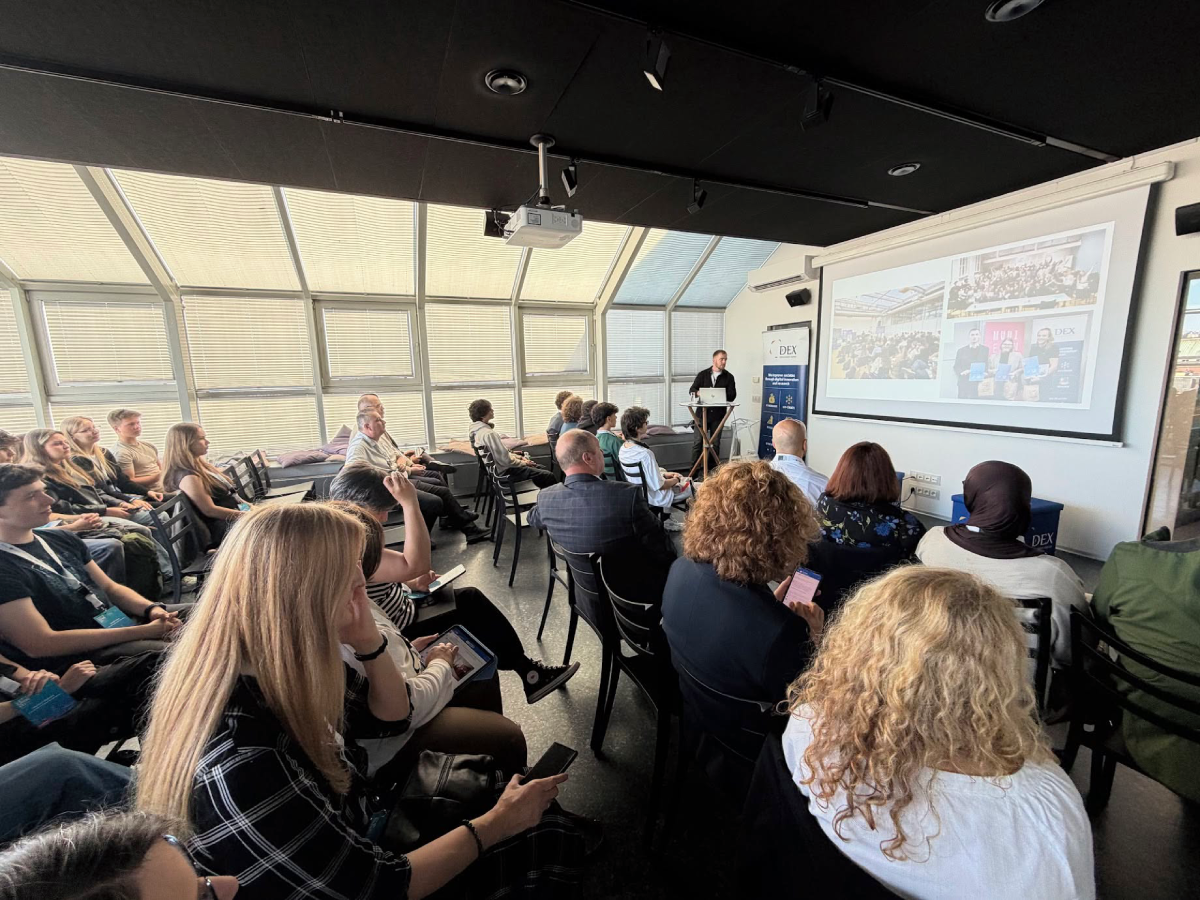
Sharing experiences from pilot projects
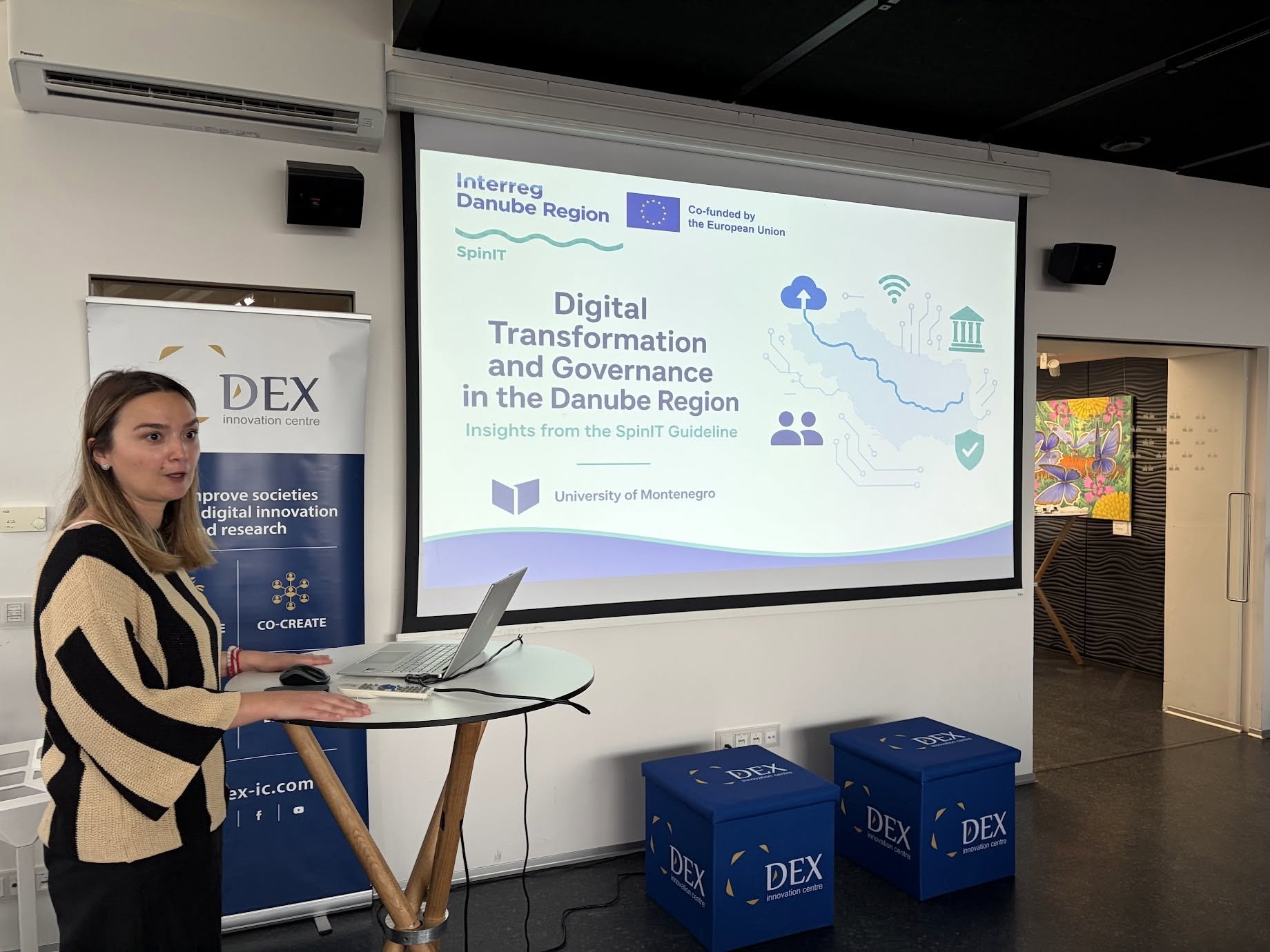
A significant part of the Final Conference was dedicated to presentations from project partners, who shared the outcomes of their pilot projects and validation activities. Reflecting on the overall results of the project, Péter Balogh from the University of Pannonia explained that the greatest strength of SpinIT was its local-first approach. "The partnership created pilot projects that are rooted in local needs," he said. "Before partners started taking action, they identified local conditions, stakeholder expectations, legal environments and existing expertise. That is what made the pilots successful." The importance of combining practical education with knowledge transfer was highlighted by Virág Szuák from the Pannon Business Network Association. "We focused on AI, robotics and sustainability, organised training sessions for citizens, SMEs and university students, and engaged more than one hundred participants," she said, adding that her organisation also provided methodological, analytical and knowledge-transfer support to the entire partnership.
For Petra Kovačević from INOVAcija, the pilot activities confirmed that participants value practical learning above all else. "Participants appreciated practical examples and real-life experiences much more than theoretical presentations," she noted. "We also learned that future training programmes should distinguish between beginners and advanced participants to make the learning process even more effective." Sharing the experience from Hungary, Botond Somogyi from InnoMine pointed out that digital transformation requires practical guidance rather than theory. "Our validation clearly showed that SMEs need a very practical and tailored approach in order to successfully start their digital transformation journey," he said.
The long-term impact of pilot validation was demonstrated by Aida Pašalić-Uzunović from ZEDA, whose organisation transformed a validated activity into a permanent service. "Through the SpinIT project, we introduced podcasting as a completely new activity for our organisation," she explained. "We established our own podcast studio, produced educational content for entrepreneurs, and integrated podcasts into our regular promotional and educational activities."
Two days that delivered tangible results
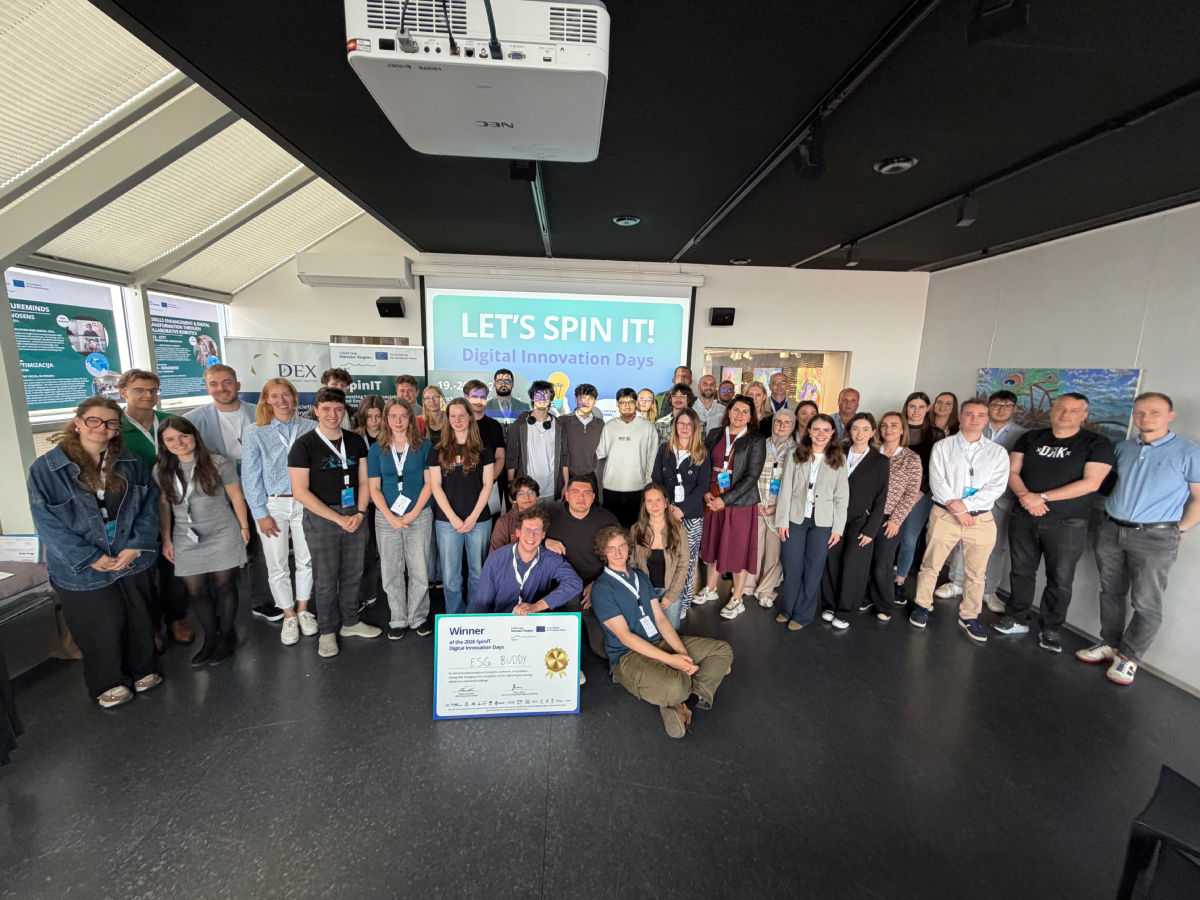
The event culminated in the DemoDay, where student teams presented their solutions to an international jury. The overall winner was ESG Buddy, recognised for its comprehensive approach to the challenge, while SUS-score received the Audience Award. Beyond the awards themselves, the DemoDay demonstrated how high-quality solutions can emerge from just two days of intensive collaboration between students, mentors, and experts from different countries.
The project's legacy continues
Digital Innovation Days were much more than the closing event of the SpinIT project. They demonstrated that meaningful innovation is created by bringing together people from different disciplines, sharing knowledge, and developing solutions based on real regional needs. The methodologies, validated pilot projects, newly established partnerships, and valuable experience gained throughout the project will continue supporting digital innovation and regional development across the Danube Region long after the project's official conclusion.